Two racket sports are experiencing explosive growth worldwide: padel and pickleball. While both involve doubles play and share some similarities, they represent distinctly different approaches to accessible racket sport. Understanding their key differences, growth trajectories, and relative advantages helps explain why both are thriving in 2026.
The comparison isn't just academic. Facility operators, investors, and recreational athletes are choosing between these sports as they plan investments and lifestyle decisions. Both offer compelling benefits, but their paths to popularity have been remarkably different.
The Sports Explained
Padel Fundamentals
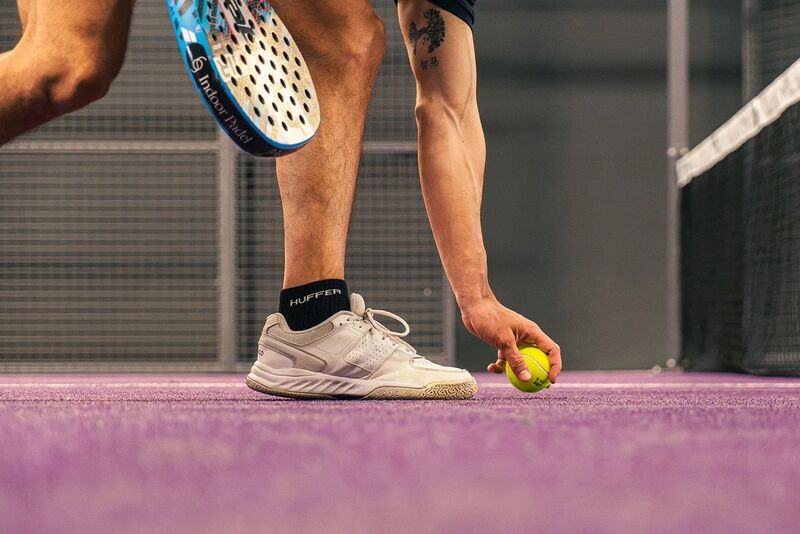
Padel originated in Mexico in 1969 and exploded across Spain and Latin America. Played in an enclosed court with glass walls and wire mesh, padel combines elements of tennis and squash. Players use solid paddles without strings, hitting a depressurized tennis ball that can be played off the walls.
The court measures 20m x 10m, roughly one-third the size of a tennis court. Games are played exclusively in doubles format, emphasizing strategy and placement over pure power. The enclosed environment creates unique tactical situations impossible in traditional racket sports.
Pickleball Basics
Pickleball emerged in Washington State in 1965, combining elements of tennis, badminton, and ping-pong. Played on a badminton-sized court with a lowered tennis net, pickleball uses perforated plastic balls and solid paddles. The sport can be played in singles or doubles, though doubles dominates recreational play.
The court measures 20 x 44 feet (roughly 6m x 13m), significantly smaller than tennis. A seven-foot non-volley zone (the "kitchen") near the net creates unique strategic elements and reduces the advantage of aggressive net play.
Key Differences
Physical Demands
Padel requires more lateral movement and quick direction changes due to wall play. The enclosed court creates longer rallies, demanding greater endurance. However, the reduced court size and emphasis on placement over power make it accessible to various fitness levels.
Pickleball's underhand serve and slower ball speed reduce physical stress on shoulders and elbows. The smaller court and non-volley zone limit the need for explosive movement, making it particularly appealing to older adults and those with mobility limitations.
Learning Curve
Padel's wall play creates a steeper initial learning curve. New players must understand how balls react off different surfaces and develop spatial awareness within the enclosed court. However, the forgiving nature of depressurized balls helps beginners keep rallies alive.
Pickleball's simpler rules and smaller court create an easier entry point. Most tennis players can transition to pickleball within a few sessions, while padel typically requires more dedicated learning time to understand wall strategy and court positioning.
Equipment and Costs
Padel requires specialized court construction with glass walls and artificial turf, making facility investment substantial. A single padel court costs $40,000-$80,000 to build, depending on specifications and location.
Pickleball courts can be constructed on existing tennis courts or built as standalone facilities for $15,000-$25,000. The lower infrastructure cost has accelerated pickleball's expansion, particularly in community centers and public facilities.
Growth Trajectories
Padel's Global Expansion
Padel claims over 25 million players worldwide in 2026, with particularly strong growth in Europe and Latin America. Spain alone has approximately 6 million players across 15,000 courts. The sport's professional tour, Premier Padel, attracts significant television audiences and sponsorship investment.
Geographic expansion has been systematic, with new markets like France, Sweden, and the Netherlands showing rapid adoption. The sport's visual appeal and broadcast potential have attracted major media investment, accelerating growth in target regions.
Pickleball's American Boom
Pickleball boasts approximately 8.5 million players in the United States alone, representing 200% growth since 2020. The sport has been declared America's fastest-growing sport for three consecutive years. International expansion is accelerating, with strong development in Canada, Australia, and parts of Europe.
The demographic driving pickleball growth skews older, with players over 50 representing the largest segment. This appeals to facility operators seeking daytime usage and higher-spending demographics. However, younger players are increasingly embracing the sport.
Pros and Cons Analysis
Padel Advantages
- Spectator appeal: The enclosed court and wall play create visually exciting rallies perfect for television
- Professional potential: Established tour with significant prize money and sponsorship opportunities
- Strategic depth: Wall play and court design create complex tactical situations
- Weather protection: Enclosed courts provide consistent playing conditions
- Social atmosphere: Doubles format and court design encourage interaction
Padel Disadvantages
- High infrastructure costs: Specialized courts require significant investment
- Learning curve: Wall play and spatial awareness take time to develop
- Limited court availability: Fewer facilities compared to traditional sports
- Geographic concentration: Strong in specific regions but limited global penetration
Pickleball Advantages
- Low barrier to entry: Easy to learn with minimal physical demands
- Accessible infrastructure: Courts can be built on existing facilities
- Broad demographic appeal: Attracts players from teens to seniors
- Rapid expansion: Growing at unprecedented rates in multiple countries
- Community focus: Strong emphasis on recreational and social play
Pickleball Disadvantages
- Limited professional appeal: Professional tours struggle with television and sponsorship
- Noise issues: Plastic ball creates noise complaints in residential areas
- Court sharing conflicts: Tension with tennis players over facility usage
- Weather dependency: Outdoor courts limit year-round play in many climates
Market Dynamics
Investment and Infrastructure
Padel attracts larger individual investments due to higher facility costs and professional tour potential. Private clubs and commercial operators see padel as a premium offering that can command higher court fees and membership costs.
Pickleball's lower infrastructure costs enable broader adoption across public facilities, community centers, and residential developments. This accessibility accelerates participant growth but may limit premium pricing opportunities.
Corporate Interest
Major brands have invested heavily in padel, recognizing its television potential and affluent demographic. Sponsorship deals like Coello's Adidas contract demonstrate corporate confidence in padel's commercial future.
Pickleball attracts different corporate interest, focusing on equipment manufacturers and community-focused brands. The sport's grassroots nature and demographic appeal attract sponsors seeking authentic community connections rather than elite athletic associations.
Regional Preferences
Geographic Strongholds
Padel dominates in Spain, Argentina, Mexico, and increasingly across Europe. The sport's Latin heritage and emphasis on style resonate strongly in these cultural contexts. Climate and architectural traditions favor enclosed courts in many European and Middle Eastern markets.
Pickleball's strength centers on North America, particularly the United States. The sport aligns with American recreational traditions and suburban lifestyle preferences. Australian and Canadian adoption follows similar patterns to US development.
Cultural Fit
Padel's emphasis on technique, strategy, and social interaction appeals to cultures that value style and sophistication in sport. The enclosed court environment creates intimate social settings that enhance the recreational experience.
Pickleball's inclusive, accessible nature fits well with cultures emphasizing participation over performance. The sport's democratic appeal and easy adoption make it particularly suitable for community-based recreation programs.
Future Projections
Growth Sustainability
Padel's growth depends heavily on continued investment in specialized facilities and professional tour development. The sport's television potential and Olympic aspirations could accelerate expansion, but geographic concentration remains a challenge.
Pickleball's growth appears more sustainable due to lower infrastructure barriers and broader demographic appeal. However, questions remain about the sport's ability to develop professional pathways and maintain participant engagement long-term.
Market Saturation
Neither sport shows signs of market saturation in their core regions. Padel continues expanding across Europe and into Asia, while pickleball penetrates deeper into American communities and expands internationally.
The key question is whether both sports can maintain growth rates while developing sustainable economic models. Facility operators and investors are betting on continued expansion, but market dynamics remain fluid.
"Both sports offer something unique. Padel brings the excitement and professionalism of elite sport, while pickleball delivers accessible recreation for everyone. There's room for both in the global sports landscape." — Maria Rodriguez, Sports Business Consultant
Which Is "Winning"?
The answer depends on how you define success. If raw participation numbers matter most, pickleball's explosive growth in North America gives it a current edge. If professional development and global television appeal are priorities, padel's structured tour and broadcast partnerships provide advantages.
Both sports have achieved remarkable growth by addressing different market needs. Padel offers premium recreational experience with professional aspiration, while pickleball provides accessible community recreation with minimal barriers.
For participants, the choice often comes down to personal preferences: Do you prefer the strategic complexity and enclosed environment of padel, or the accessibility and community focus of pickleball? Both offer excellent recreational opportunities and growing competitive scenes.
In markets like New Zealand, where both sports are developing, the availability of facilities and local community preferences will likely determine which gains stronger footing. The growth of organized padel competition suggests both sports can coexist and thrive.
Rather than viewing this as a competition with a single winner, the success of both padel and pickleball demonstrates the global appetite for accessible, social racket sports. Their combined growth is expanding the entire recreational sports market, creating opportunities for players, businesses, and communities worldwide.