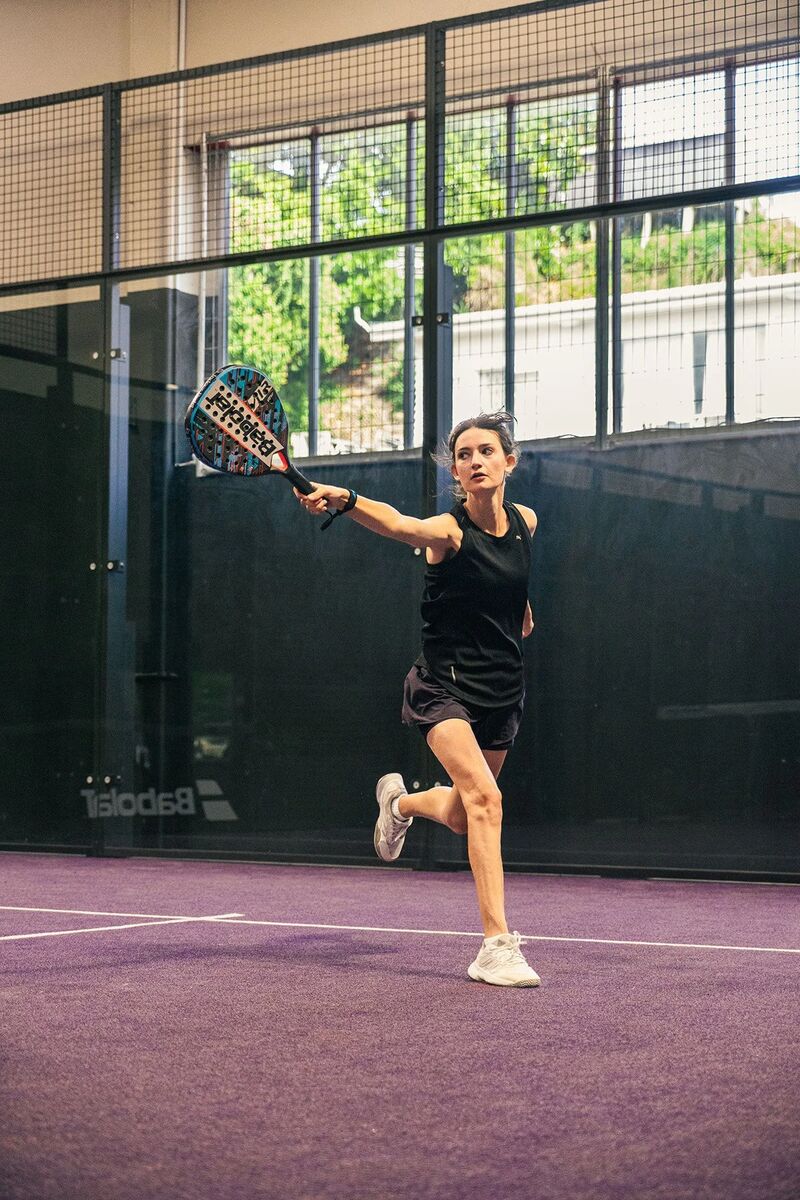
The question on every padel fan's mind since Brisbane was awarded the 2032 Olympics is simple: will padel finally make its Olympic debut? Six years out from the Games, the signs are encouraging but the path remains complex.
The International Padel Federation (FIP) submitted its formal application to the International Olympic Committee in January 2026, marking the sport's most serious Olympic bid to date. With over 25 million players worldwide and growth showing no signs of slowing, padel presents a compelling case for inclusion.
The IOC Process
Olympic sport selection follows a rigorous process that evaluates global participation, broadcast appeal, venue requirements, and alignment with Olympic values. Sports must demonstrate universal appeal across all inhabited continents, and here padel faces its biggest challenge.
While padel dominates in Spain, Argentina, and much of Latin America, penetration in Asia and Africa remains limited. The sport has made significant inroads in Europe, with strong growth in France, Italy, and Sweden, but the IOC wants evidence of truly global development.
The Brisbane organizing committee will make its sport recommendations by late 2027, with final IOC approval expected in 2029. This timeline allows padel three crucial years to expand its global footprint.
What's Working in Padel's Favor
Several factors support padel's Olympic aspirations. The sport's spectacular growth trajectory is undeniable. From 10 million players in 2020 to over 25 million in 2026, no racket sport has expanded faster in recent memory.
Television viewership for Premier Padel events has increased 400% since 2024. The Madrid Master final drew 2.8 million viewers across global broadcasts, numbers that grab IOC attention. Padel's visual appeal translates perfectly to television, with fast-paced rallies and dramatic shot-making that showcases athletic excellence.
Gender equality also works strongly in padel's favor. The sport has achieved near-perfect parity in professional prize money and participation rates, aligning perfectly with IOC diversity goals. Women's padel is arguably as popular as the men's game, a rarity among racket sports.
The venue requirements are relatively modest. Padel courts take up less space than tennis courts, and temporary installations are straightforward. Brisbane's existing tennis facilities at Queensland Tennis Centre could easily accommodate padel courts.
The Competition
Padel isn't the only sport vying for Olympic inclusion. Squash has mounted multiple unsuccessful bids and remains persistent. Cricket continues to push for expanded inclusion beyond the Twenty20 format. American football, lacrosse, and motorsports all have IOC recognition and Olympic ambitions.
The IOC has shown reluctance to expand the Olympic program significantly, preferring to rotate sports in and out rather than simply adding events. This means padel likely needs to displace an existing sport rather than claim a new slot.
The Path Forward
FIP President Luigi Carraro has outlined an aggressive global expansion strategy focused on Asia and North America. Major investments in India, China, and Japan are planned through 2029, with the goal of reaching 40 million players worldwide by 2032.
The Premier Padel tour is adding stops in Seoul, Tokyo, and Mumbai, bringing elite competition to new markets. These aren't just exhibition matches but full tour events with ranking points and significant prize money.
Perhaps most importantly, grassroots development programs are launching across target continents. The IOC values sports that provide pathways for young athletes, and padel's relatively low barriers to entry compared to tennis give it an advantage.
"Padel's time is coming. The growth speaks for itself, the sport is made for television, and we're building the global infrastructure the IOC wants to see. Brisbane 2032 represents our best Olympic opportunity yet." — Luigi Carraro, FIP President
New Zealand's Role
New Zealand's growing padel community could play a small but meaningful role in the Olympic bid. Oceania representation matters to the IOC, and strong development in Australia and New Zealand demonstrates regional appeal beyond Spain and Argentina.
The NZ Padel Open and similar tournaments across the Pacific region show organized competition exists outside traditional strongholds. Every new federation that joins FIP strengthens the Olympic application.
Reality Check
Despite the optimism, significant hurdles remain. Padel's geographic concentration in specific regions is a genuine concern. The sport needs meaningful development in Africa and more substantial growth in Asia to satisfy IOC globalization requirements.
Competition from established sports seeking re-inclusion is fierce. Squash, with its longer Olympic history and stronger global federation, represents serious competition for any racket sport slot.
The timeline is also challenging. Six years feels like plenty of time, but building sporting infrastructure and competitive pathways across continents requires sustained investment and patience.
The verdict? Padel's Olympic chances are the best they've ever been, but far from guaranteed. The next three years will determine whether the sport's global expansion is genuine or merely aspirational. If the growth continues at current rates, Brisbane 2032 could indeed mark padel's Olympic debut.
For now, padel fans can only watch, play, and help spread the sport they love. Every new court, every new player, every new country that embraces padel brings the Olympic dream a little closer to reality.